A voyage across the western Pacific About 1350 to 750 BC
The Lapita voyagers
Around 1350 BC, people on the islands north-east of New Guinea began to make pots stamped with tiny dots. Over the next six hundred years they and their descendants sailed 4,500 kilometres east across the Pacific, as far as Tonga and Samoa.1
Beyond the Solomon Islands, every island they reached was empty of people. Archaeologists call them Lapita, after their pottery, and many Pacific peoples today, the Polynesians among them, count the Lapita as their ancestors.5
The chart: the route east, and the first date for Lapita pots in each island group, from radiocarbon, rounded.1 Tonga’s date comes instead from coral tools, which narrow the older radiocarbon date of about 950 BC to the 800s BC.5 A branch went west to the New Guinea coast. The numbers mark the places listed below. Coast: Natural Earth.
The log
Six chapters, read like a voyage: west to east, oldest first.
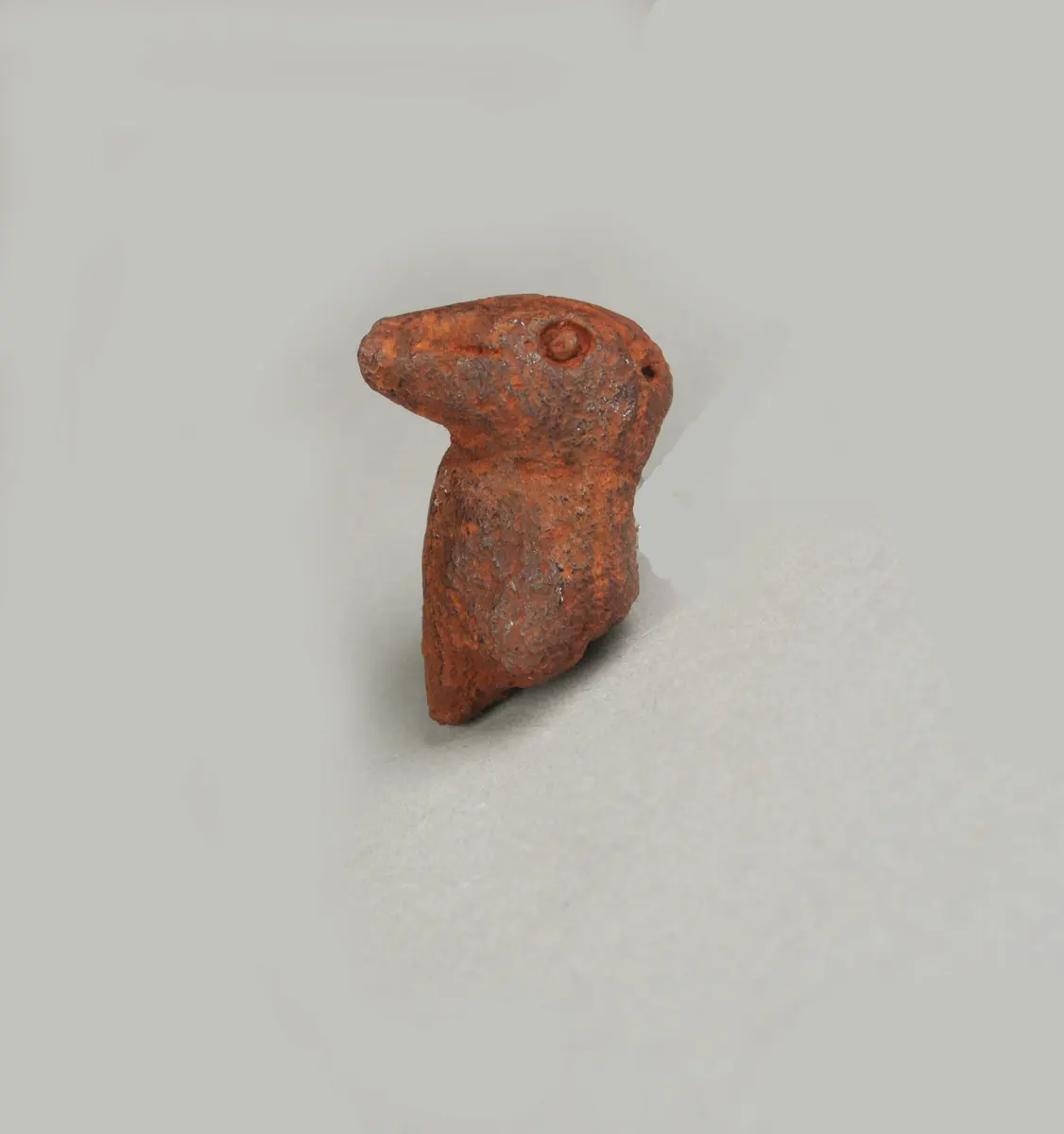
- From about 1350 BCLandfall oneOut of the BismarcksWhere did the Lapita voyagers come from?
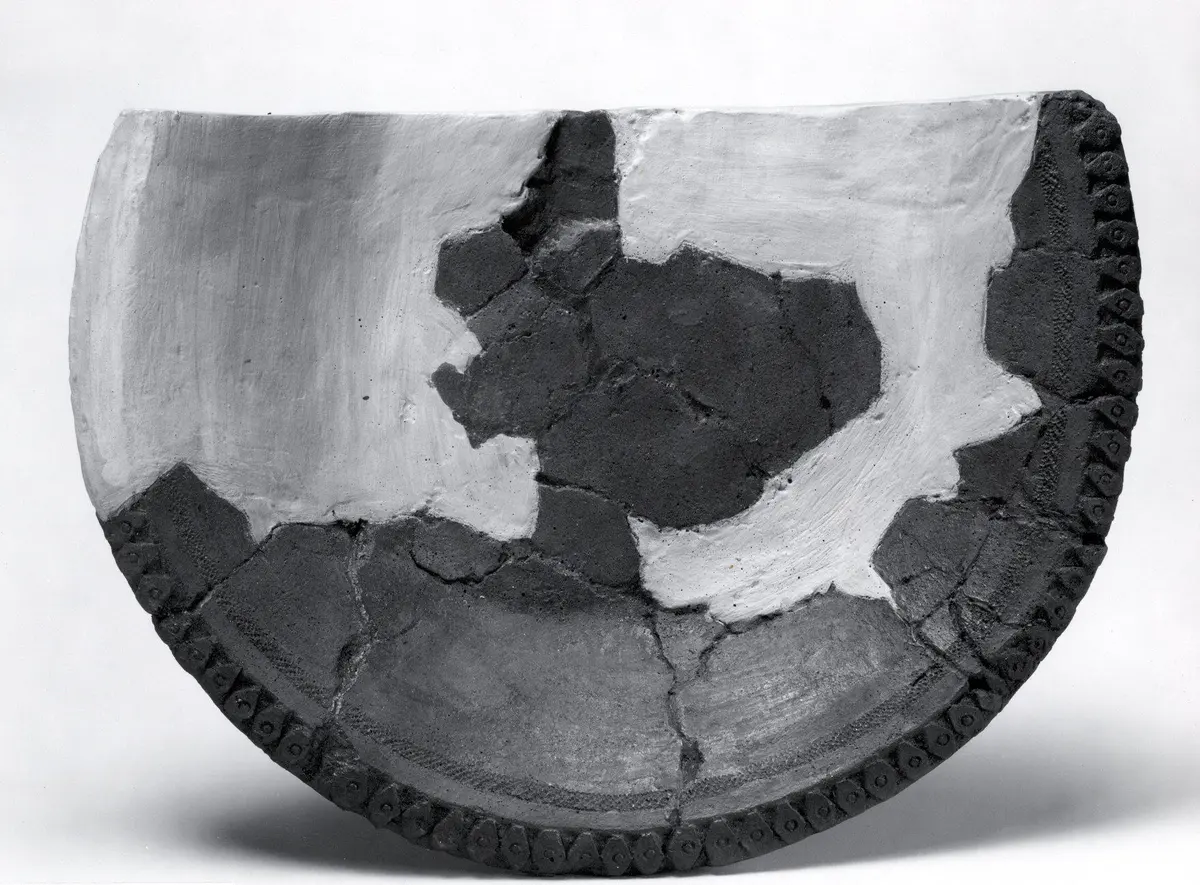
- About 1350 to 750 BCLandfall twoPots stamped with teethHow can broken pots show where people sailed?
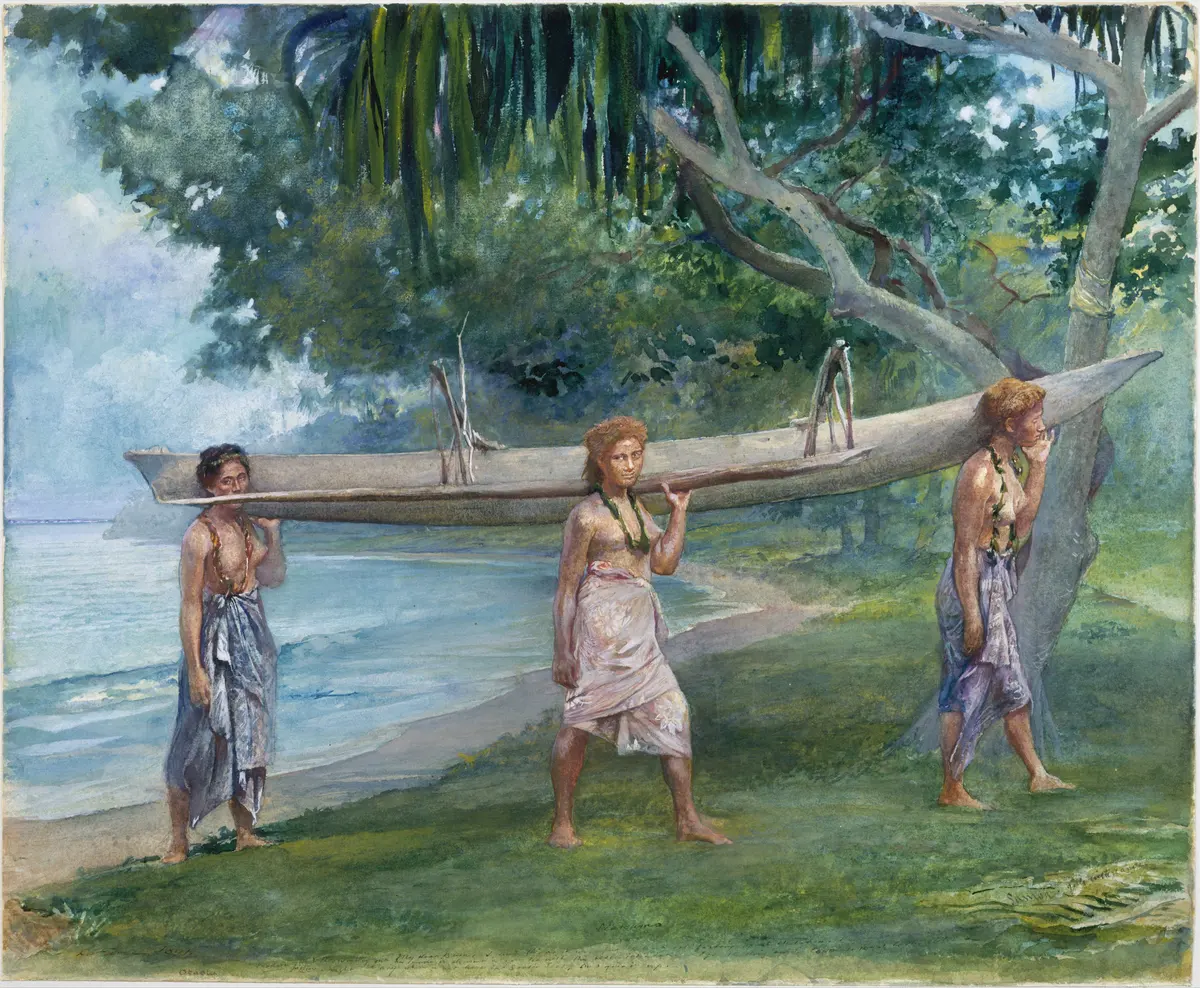
- About 1250 to 1050 BCLandfall threeAcross the gapHow did people cross a stretch of sea that no one had crossed for 30,000 years?
- About 3,000 years ago; found in 2003Landfall fourTeouma, the oldest cemeteryWhat does the oldest cemetery in the Pacific tell us about the first people of Vanuatu?
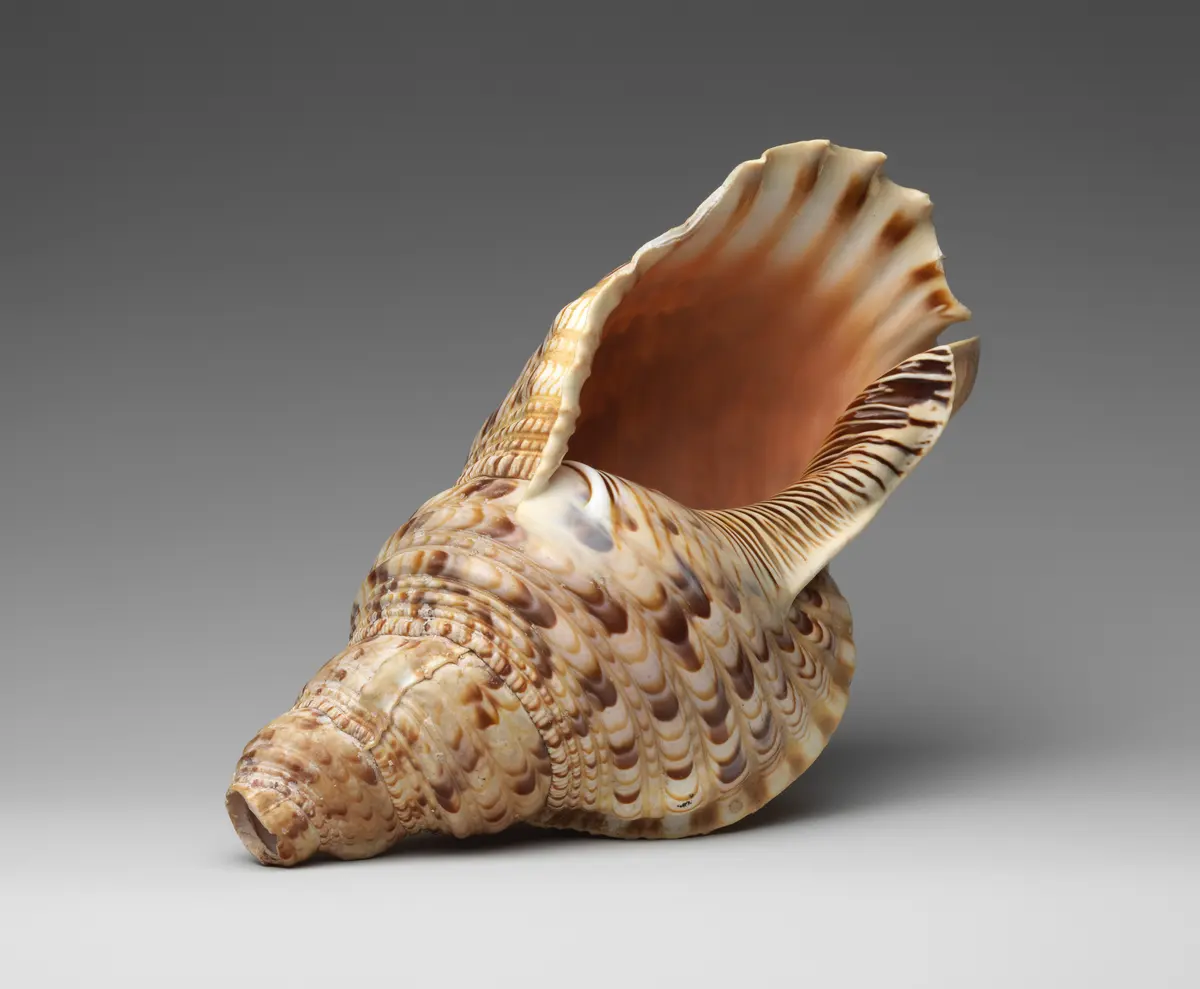
- In the 800s BCLandfall fiveLandfall in TongaHow do we know when people first stepped ashore in Polynesia?
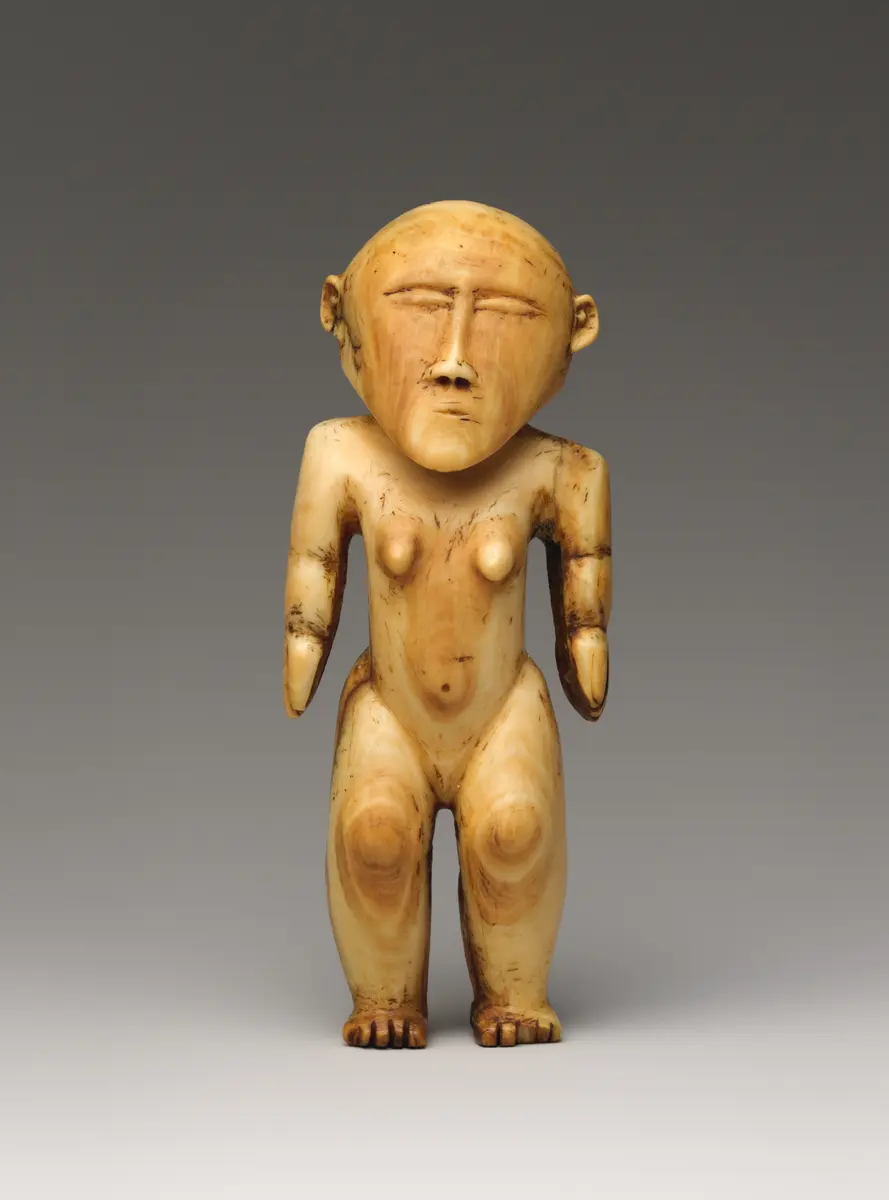
- About 750 BC to AD 1290Landfall sixThe long pauseWhy did the voyagers stop at Tonga and Samoa for so long, and who did they become?
Fast, then still
1400 BC to AD 1300, drawn to scale
A time strip from 1400 BC to AD 1300. Five first arrivals crowd into 1350 to 750 BC. Then nothing new is settled for about 1,800 years, until the Society Islands about AD 1025 to 1120 and the rest of East Polynesia about AD 1190 to 1290.
In about six hundred years, from roughly 1350 to 750 BC, Lapita voyagers settled island groups across 4,500 kilometres of ocean.1 Then the settling stopped. Polynesians did not sail on from Samoa and Tonga to the Society Islands until about AD 1025 to 1120. From there, between about AD 1190 and 1290, they reached almost all the rest of East Polynesia, including New Zealand, Hawaiʻi and Rapa Nui.6 Chapter six asks why.
Places in these chapters
Numbered as on the chart
- Talepakemalai, Mussau
- Lapita pots made here from about 1350 BC. An early Lapita site on a small island in the Mussau group, in the Bismarck Archipelago north of New Guinea.
- Reef and Santa Cruz Islands
- Settled by about 1250 BC. In the far south-east of the Solomon Islands, the first islands beyond the old boundary to be settled.
- Teouma, Efate
- A cemetery about 3,000 years old. Near Port Vila, Vanuatu: the oldest known cemetery in the Pacific, found in 2003.
- Caution Bay
- Lapita pots here from about 950 to 550 BC. On the south coast of Papua New Guinea, the first Lapita sites found on the New Guinea mainland.
- Nukuleka, Tongatapu
- First landfall in the 800s BC. A village on Tongatapu, Tonga, where the first people in Polynesia landed.
People in these chapters
Researchers today; the Lapita voyagers left no names
- Patrick KirchArchaeologist of the Pacific; studied the Lapita pots of Talepakemalai in the Mussau Islands
- Matthew SpriggsOne of the team from ANU and the Vanuatu Cultural Centre who dug Teouma
- David BurleyDated the first landfall at Nukuleka with coral files
- Janet WilmshurstLed the study that re-dated the settlement of East Polynesia
- Cosimo PosthA leader of the 2018 study of ancient DNA from Vanuatu, Tonga and beyond
Sources for this page
Every number on this page comes from one of these. How we check.
Last reviewed 13 November 2026. Spotted a mistake? Tell us.
- McNiven, I. J., David, B., Richards, T., Aplin, K., Asmussen, B., Mialanes, J., Leavesley, M., Faulkner, P. and Ulm, S. (2011). New direction in human colonisation of the Pacific: Lapita settlement of south coast New Guinea. Australian Archaeology 72, 1–6. researchonline.jcu.edu.au/17433/1/mcniven_etal_2011.pdfUsed for: Lapita pottery arose in the Bismarck Archipelago about 3300 cal BP; first dates for the Reef and Santa Cruz Islands (3200), Vanuatu, New Caledonia and Fiji (3000), Tonga (2900) and Samoa (2700 cal BP); a colonisation 4,500 km long; Lapita sites on the south coast of New Guinea, 2900 to 2500 cal BP. Checked 13 November 2026.
- Meduna, V. (2016). Tracking the Lapita expansion across the Pacific. Our Changing World, Radio New Zealand, 2 November 2016. Interviews with Patrick Kirch and Matthew Spriggs. www.rnz.co.nz/news/ourchangingworld/546545/tracking-the-lapita-expansion-across-the-pacificUsed for: The first settlers of Near Oceania about 40,000 years ago; the sea gap east of the Solomons as a boundary for 30,000 years; Kirch on pull, not push; coastal sites, fish hooks, nets and adzes; the oldest pots most richly decorated; Taiwan as the likely origin of Austronesian languages; Spriggs on the threshold beyond Tonga and Samoa. Checked 13 November 2026.
- Max Planck Institute for the Science of Human History (2018). Ancient DNA reveals genetic replacement despite language continuity in the South Pacific. Press release, 27 February 2018, on Posth, C., Nägele, K. and others (2018), Nature Ecology & Evolution 2, 731–740. www.shh.mpg.de/851473/genetic-replacement-despite-language-continuity-in-the-South-PacificUsed for: The Austronesian expansion from about 5,500 years ago, probably from Taiwan; the first people of Vanuatu, about 3,000 years ago, of largely East Asian ancestry; Papuan-related people arriving by about 2,500 years ago; ancestry replaced over time while the languages carried on, more than 120 of them today. Checked 13 November 2026.
- Australian Academy of the Humanities (2021). On a Melanesian island, the Pacific’s oldest cemetery helps solve a mystery. Discovering Humanities series, October 2021. humanities.org.au/power-of-the-humanities/on-a-melanesian-island-the-pacifics-oldest-cemetery-helps-solve-a-mystery/Used for: Teouma, Efate: found by a bulldozer driver in 2003; dug from 2004 to 2010 by ANU and Vanuatu Cultural Centre teams; 68 graves and about 100 people, the adults without their heads; three skulls on an old man’s chest; a skull inside a pot; more than 100 pots and plates, six complete; animals hunted to extinction; first ancestry from Taiwan or the northern Philippines. Checked 13 November 2026.
- Burley, D., Weisler, M. I. and Zhao, J. (2012). High precision U/Th dating of first Polynesian settlement. PLoS ONE 7 (11), e48769. pmc.ncbi.nlm.nih.gov/articles/PMC3492438/Used for: Nukuleka on Tongatapu as the founding settlement of Polynesia; uranium-thorium dates on 13 coral files put first landfall at 2830 to 2846 BP, a window of 16 years, and trace the site over the next 250 years. Checked 13 November 2026.
- Wilmshurst, J. M., Hunt, T. L., Lipo, C. P. and Anderson, A. J. (2011). High-precision radiocarbon dating shows recent and rapid initial human colonization of East Polynesia. Proceedings of the National Academy of Sciences 108 (5), 1815–1820. pmc.ncbi.nlm.nih.gov/articles/PMC3033267/Used for: 1,434 radiocarbon dates sifted; East Polynesia first settled in the Society Islands about AD 1025 to 1120, then everywhere else, including New Zealand, Hawaiʻi and Rapa Nui, about AD 1190 to 1290. Checked 13 November 2026.
- University of Hawaiʻi at Mānoa (2011). East Polynesia colonized faster and more recently than previously thought. UH News, 3 January 2011. www.hawaii.edu/news/article.php?aId=4097Used for: Polynesian ancestors settled in Samoa around 800 BC; nearly all of the 500 or so islands of East Polynesia were found, across an area of ocean the size of North America; better canoes and El Niño winds may have helped. Checked 13 November 2026.
- The Metropolitan Museum of Art. Cast of a pot sherd. Lapita people, Santa Cruz Islands, Solomon Islands; plaster, mid-20th century. Collection record 314215, Open Access (CC0). www.metmuseum.org/art/collection/search/314215Used for: A cast of a dentate-stamped Lapita sherd, 7.3 cm high. Checked 13 November 2026.