Eras
Twelve stretches of time, to find your way. They are not equal: the Old Stone Age alone is longer than all the others after it put together, many times over. The bar on each one shows its true share of the time since our species appeared.
Early human ancestry
About 7 million to 300,000 years ago
Our ancestors and relatives before our own species: other kinds of human, the first stone tools, and the first use of fire.
Before our own species, so it sits outside the human timeline. Earth’s side of this story, and our ancestors’ bones and tools, are told on our companion site, Our Eons.
Our species and the Old Stone Age
About 300,000 to 12,000 years ago
Homo sapiens appears in Africa and spreads across the world. Hunters and gatherers make tools, paintings and the first art.
Farming and the New Stone Age
About 10,000 BC to 3500 BC
People begin to farm, keep animals and live in villages, at different times in different places.
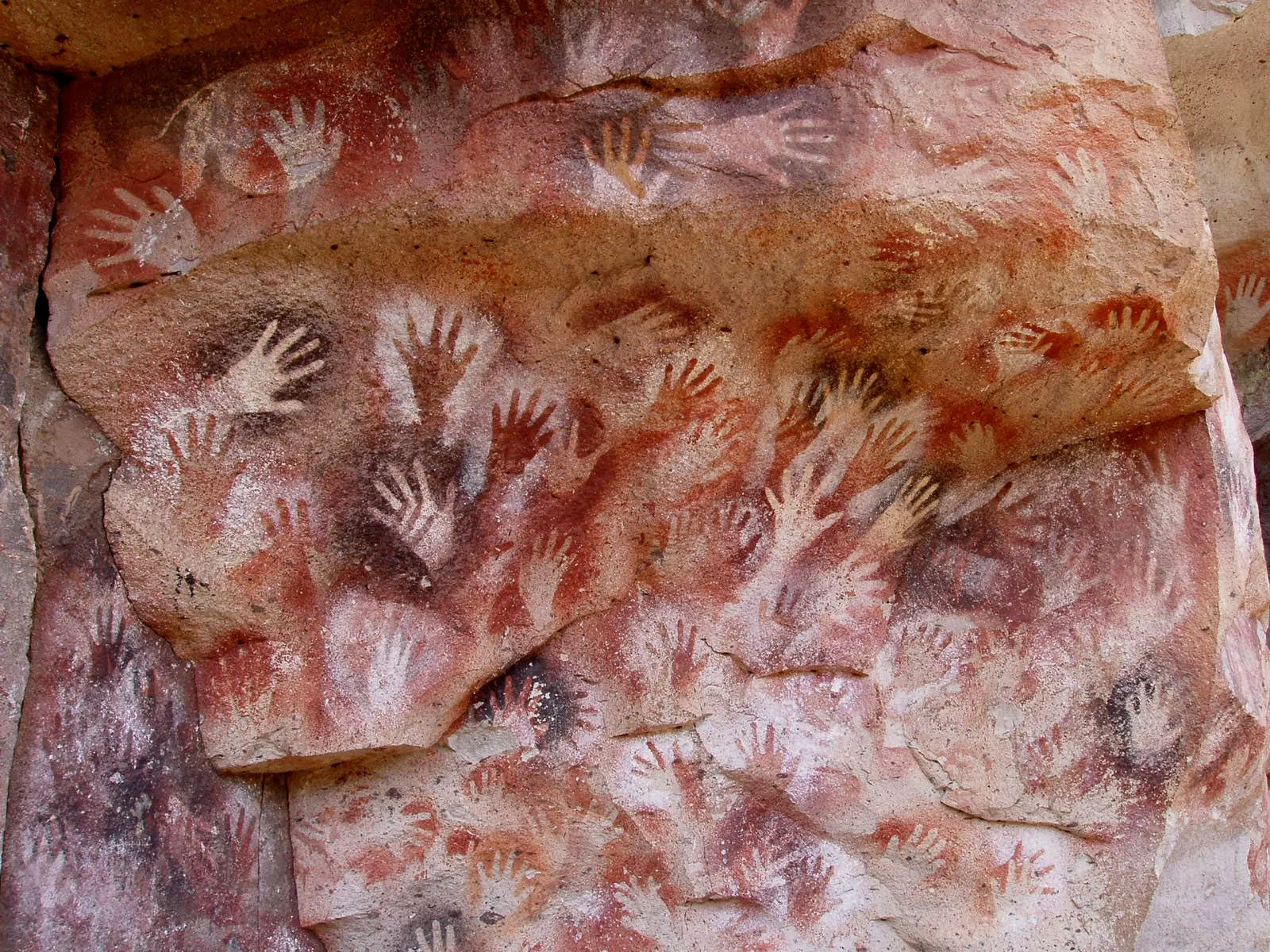 The long human story315,000 years ago to now
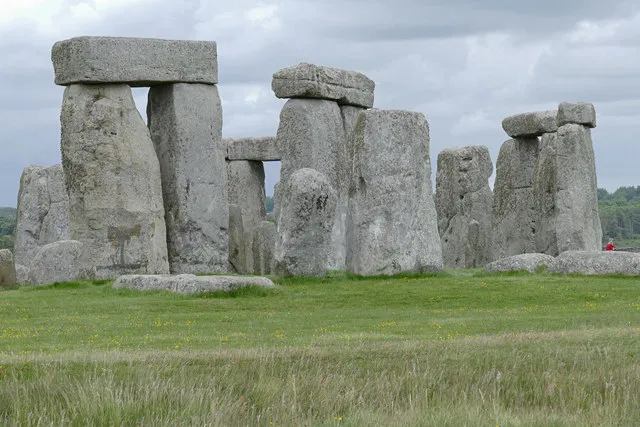 Stone Age to Iron Age BritainAbout 42,000 years ago to AD 43
Still to write, from the school courses
- Changes in Britain from the Stone Age to the Iron Age
First cities and the Bronze Age
About 3500 BC to 1200 BC
The first cities, kings and written records, in Mesopotamia, Egypt, the Indus valley and China.
- The long human story315,000 years ago to now
- Stone Age to Iron Age BritainAbout 42,000 years ago to AD 43
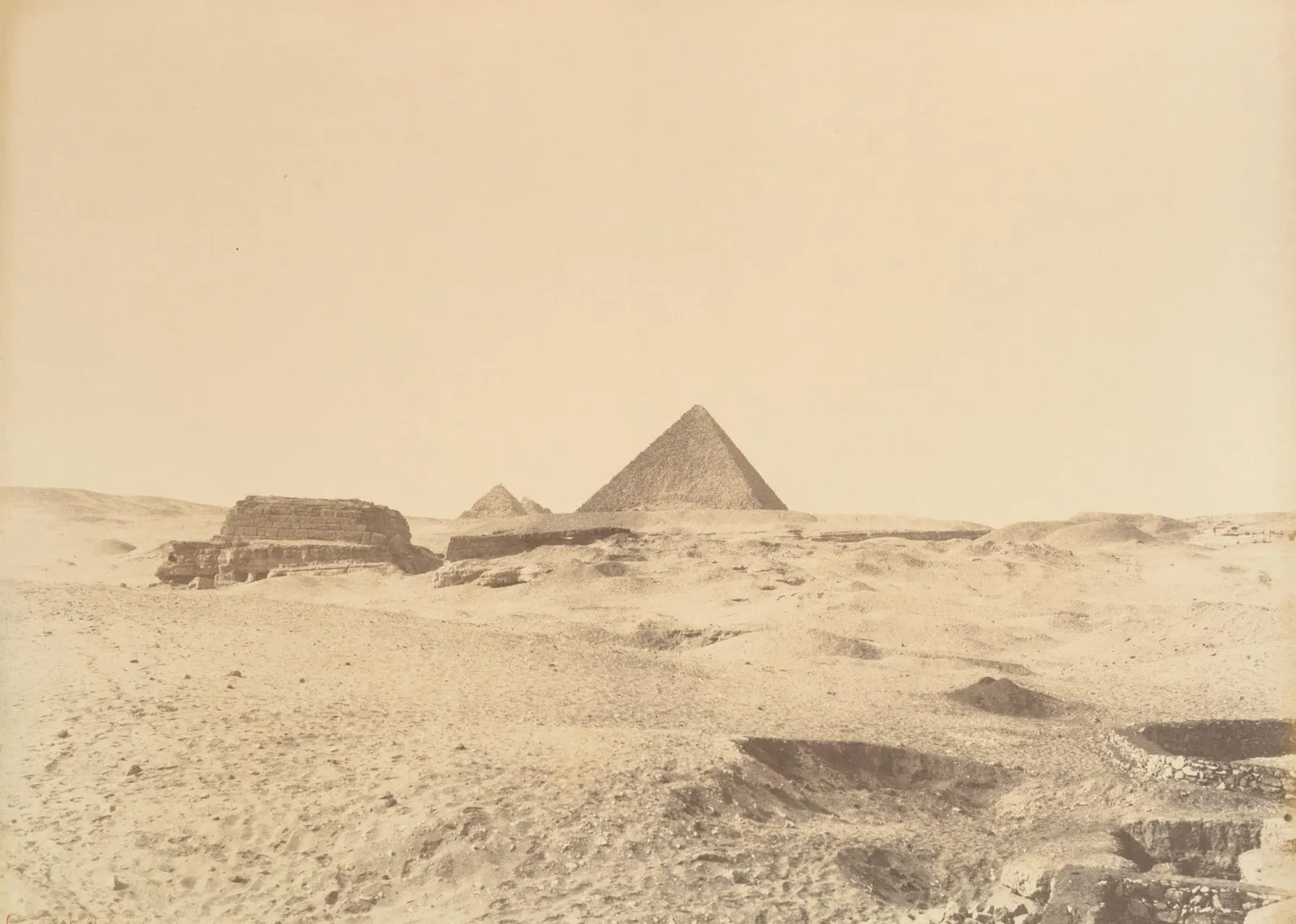 Ancient EgyptAbout 2550 BC to 196 BC, and how it was read again
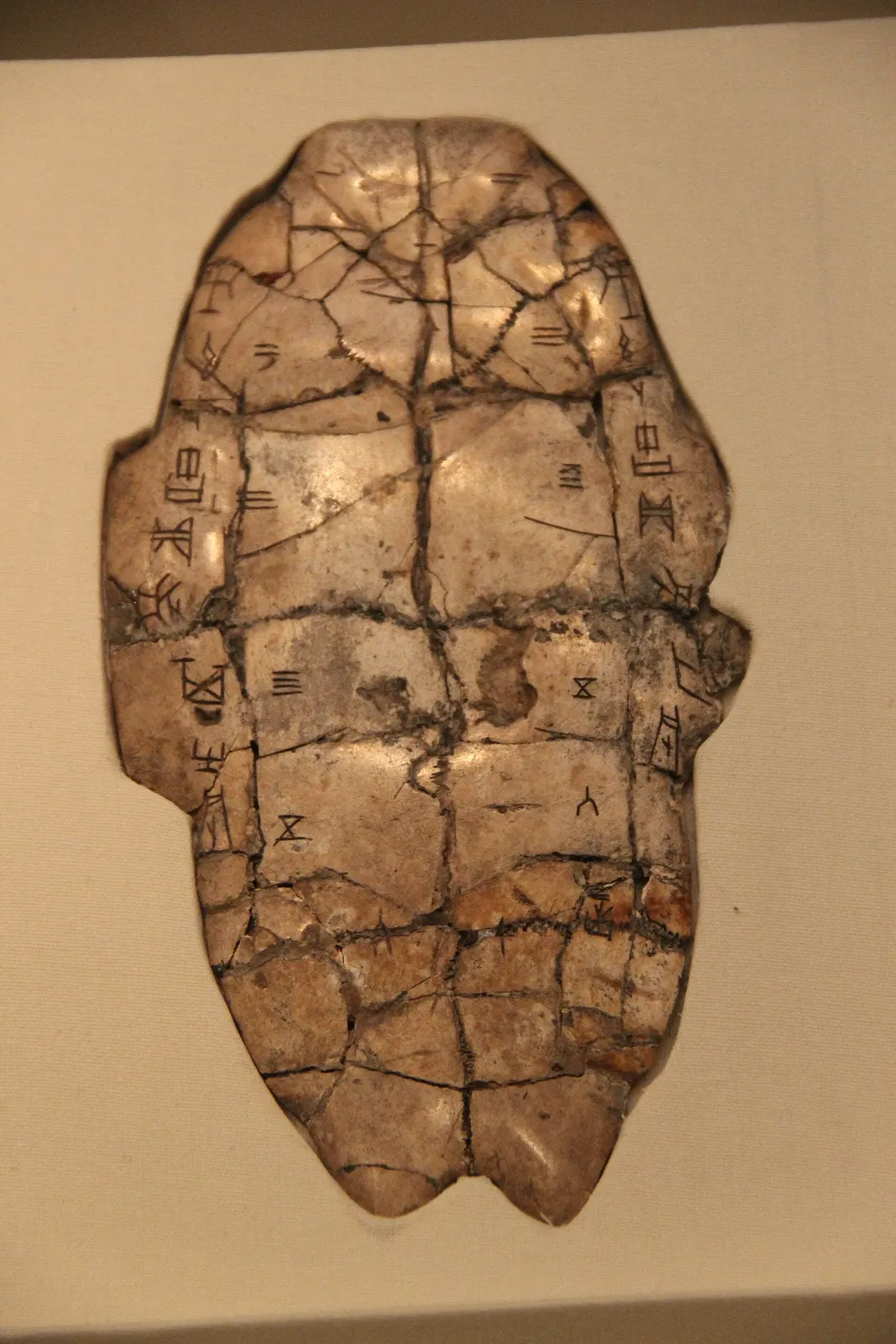 Shang ChinaAbout 1250 BC to 1041 BC, at Anyang
Still to write, from the school courses
- A depth study of one of: Ancient Sumer, the Indus Valley, Ancient Egypt, the Shang Dynasty of Ancient China
The Iron Age and growing states
About 1200 BC to 500 BC
Iron tools and weapons spread, and kingdoms and empires grow larger.
The classical world
About 500 BC to AD 500
Great empires and the ideas that outlived them: Persia, Greece, Rome, the Mauryas, Han China, the Maya.
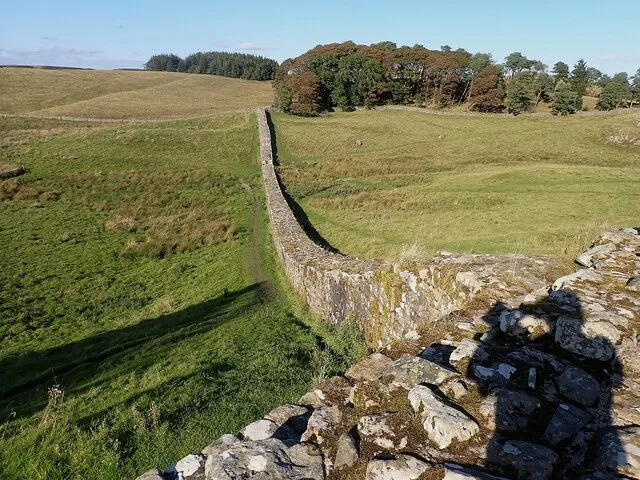
Still to write, from the school courses
- Ancient Greece: a study of Greek life and achievements and their influence on the western world
After the empires
About AD 500 to 1000
New kingdoms and faiths grow where old empires fell, from Anglo-Saxon England to the caliphates.
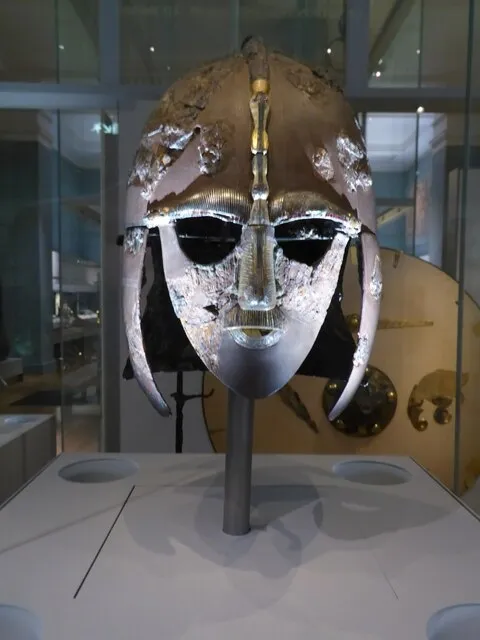
Still to write, from the school courses
- Britain’s settlement by Anglo-Saxons and Scots
- The Viking and Anglo-Saxon struggle for the Kingdom of England to the time of Edward the Confessor
- A non-European society that provides contrasts with British history: early Islamic civilization, including Baghdad c. AD 900; Mayan civilization c. AD 900; or Benin (West Africa) c. AD 900 to 1300
Medieval networks and empires
About 1000 to 1450
Long trade routes, great cities and the empires that linked them, from the Mongols to Mali.
Still to write, from the school courses
- The development of Church, state and society in Medieval Britain 1066 to 1509
Oceans crossed
About 1450 to 1750
Ships link every continent, empires are built on them, and millions of Africans are enslaved.
Still to write, from the school courses
- The development of Church, state and society in Britain 1509 to 1745
Revolutions and the first factories
About 1750 to 1850
Political revolutions, and machines and factories that change how people work.
Still to write, from the school courses
- Ideas, political power, industry and empire: Britain, 1745 to 1901
Industry, empire and world war
About 1850 to 1945
Industry spreads, empires reach their largest, and two world wars are fought.
Still to write, from the school courses
- Challenges for Britain, Europe and the wider world 1901 to the present day
The world since 1945
1945 to now
The end of empires, the Cold War, computers, and the world we live in.
No subjects here yet.
The dividing lines are ours, for finding your way. They suit some parts of the world better than others: farming, cities, iron and industry began at very different times in different places, and there was no single “medieval” across Africa, Asia and the Americas. Each subject explains its own dates.