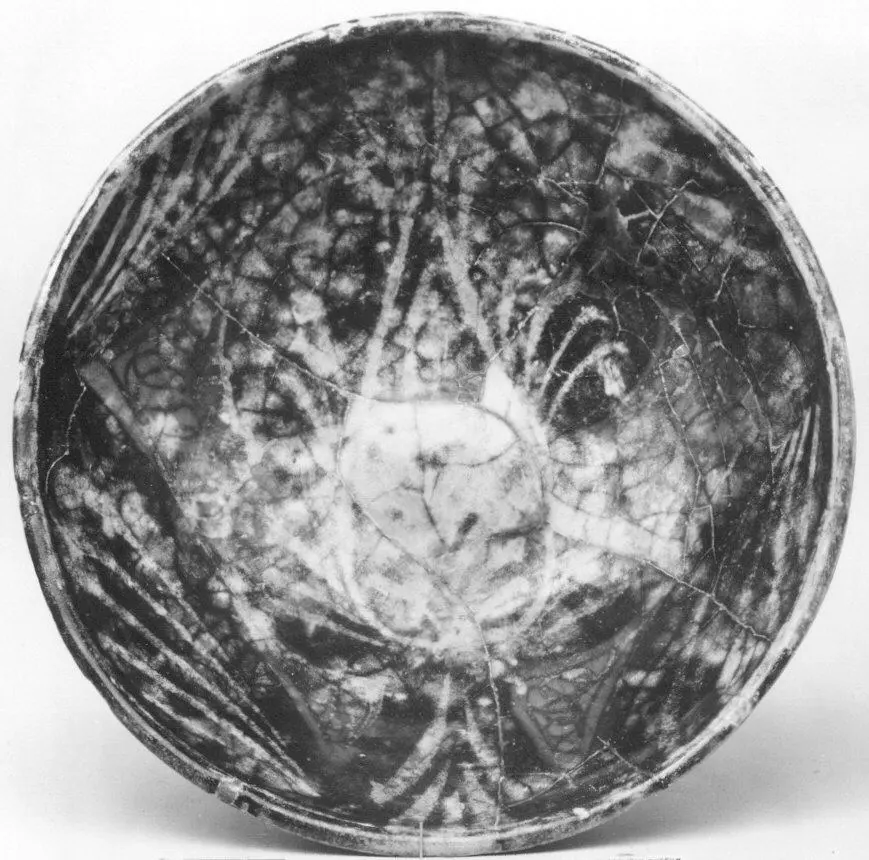
A black-and-white photograph of a ninth-century Abbasid lustre bowl painted with a large palmette
Ruby Luster Bowl with Large Palmette, 9th century
Marked Baghdad

SubjectIn outline · lessons being written

Baghdad and the House of Wisdom

The Abbasid caliphs built Baghdad as a round city in 762, and it grew into one of the largest cities in the world. Scholars there translated Greek, Persian and Indian works into Arabic and made new advances in maths, astronomy and medicine.

Place
Baghdad · Samarra · BasraThe Middle East
Laid out as
A cityOne city, district by district, from its centre outwards.
Lessons
7 planned, none written yet

The lessons we plan

Titles may change as they are written

  1. IThe Round City
  2. IIHarun al-Rashid’s court
  3. IIITranslating the world
  4. IVAl-Khwarizmi and algebra
  5. VPaper comes to Baghdad
  6. VIHospitals and doctors
  7. VIIThe Mongols take the city

Still to come

The people and objects these lessons will cover

People

  • Al-Mansur
  • Harun al-Rashid
  • Zubaidah
  • Al-Khwarizmi
  • Al-Kindi
  • Hunayn ibn Ishaq

Objects

  • Abbasid lustreware
  • Early Arabic manuscripts on paper
  • Astrolabes

Where it sits

All of human history, era by era

This page is an outline. The summary above is a starting point; each lesson, when it is written, will give its sources, its pictures and where historians disagree. Spotted a mistake?